Skip to content

Our accommodation

Safe, suitable homes, matched with care.

We aim to facilitate access to safe, suitable and person-centred accommodation for adults and young people aged 16 and over who need additional support to live with greater stability, dignity, independence and choice.

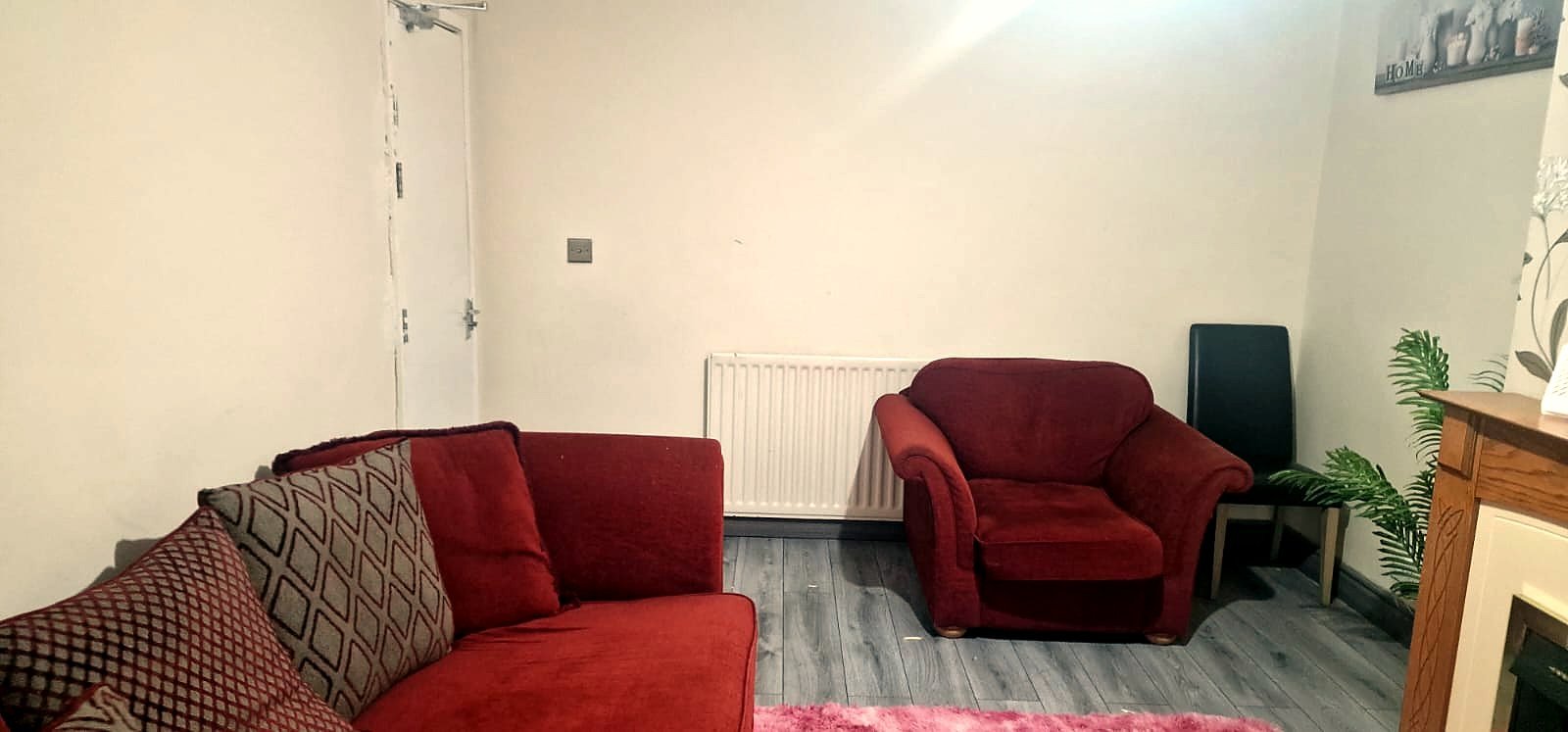
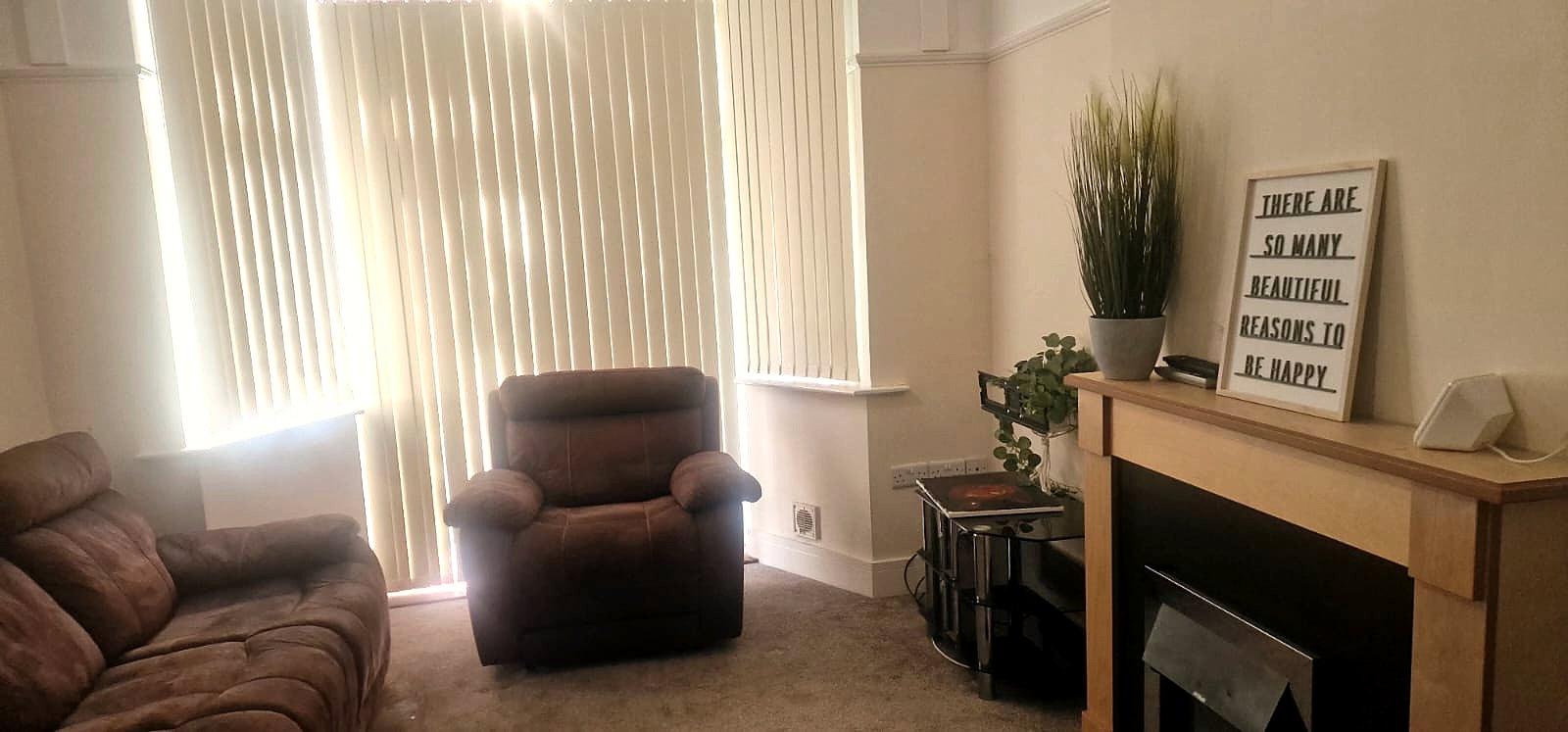
A spacious lounge with a sofa, armchair and fireplace

Our approach

Suitable accommodation, combined with the right care and support, can help people build daily living skills, keep their relationships, take part in their community and work towards their own goals.

Working in partnership with CQC-regulated care providers, including Stalwart Odrit Achievers Ltd, we support commissioners, local authorities, social workers, NHS professionals and placement teams to identify accommodation that complements a person’s assessed care and support needs.

The types of accommodation below describe what we aim to make available. What can be offered at any time depends on property availability, the individual’s needs and the placement arrangements agreed.

A bright lounge with bay window, sofas and a fireplace

01 / 05

Supported living accommodation

We aim to facilitate access to supported living accommodation for people who need assistance to maintain their independence while living in an ordinary community setting.

Depending on the property, the person’s needs and the arrangements available, accommodation may be considered for people with learning disabilities, autism, mental health needs, physical disabilities or other support needs.

A placement may involve someone living alone or sharing a home, where sharing is assessed as appropriate, fits the person’s preferences and is backed by suitable risk assessment and planning.

  • Single or shared occupancy, where assessed as suitable
  • Community locations close to everyday amenities
  • Arranged alongside the person’s assessed care and support
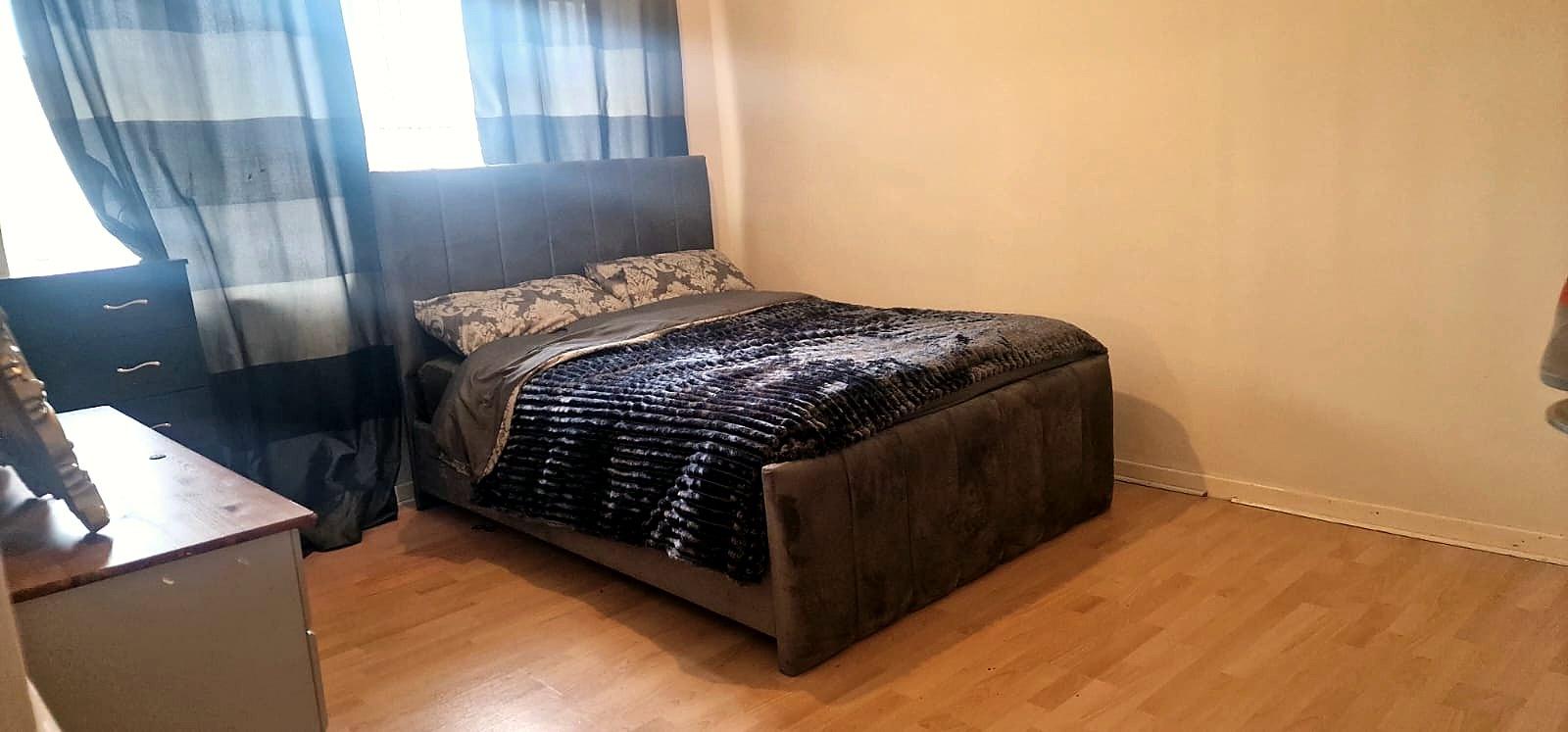
A calm double bedroom with wooden flooring and soft light

02 / 05

Mental health support needs

We aim to consider accommodation for people who need a stable living environment while receiving appropriate care or community-based support.

Each placement is considered individually, taking account of the person’s needs and wishes, their daily living skills, any identified risks, and the support arrangements that need to be in place.

  • Calm, predictable living environments
  • Individual consideration of risk and support
  • Close working with the person’s care team
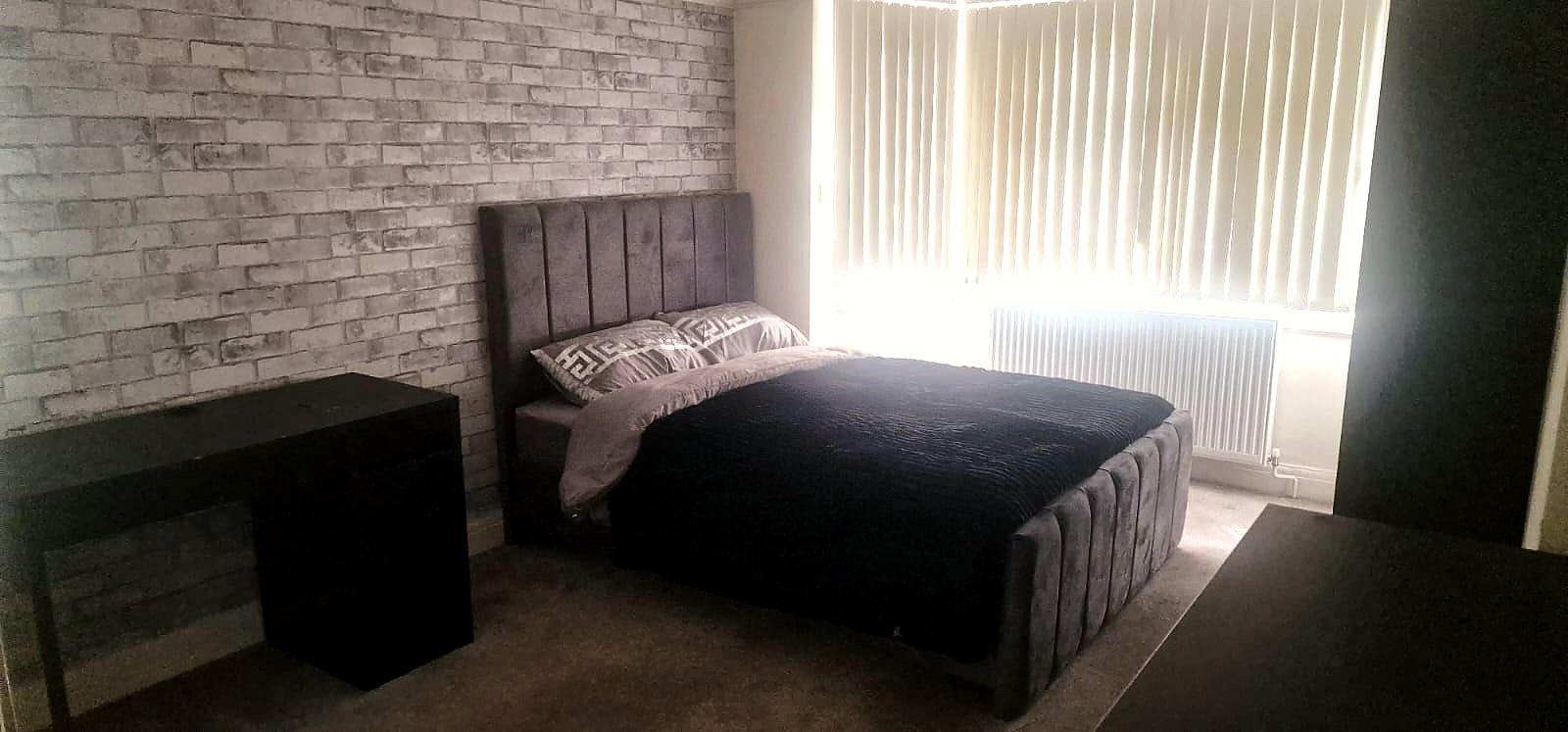
A furnished bedroom with feature wall, desk and double bed

03 / 05

Learning disabilities and autism

We aim to identify accommodation for people who may benefit from predictable routines, a personalised living environment, opportunities to develop independence and support to take part in community life.

We consider communication needs, sensory preferences and how suitable the environment is — and, where a home is shared, how compatible the person is likely to be with the people already living there.

  • Attention to sensory and environmental needs
  • Compatibility considered in shared homes
  • Space to personalise and settle
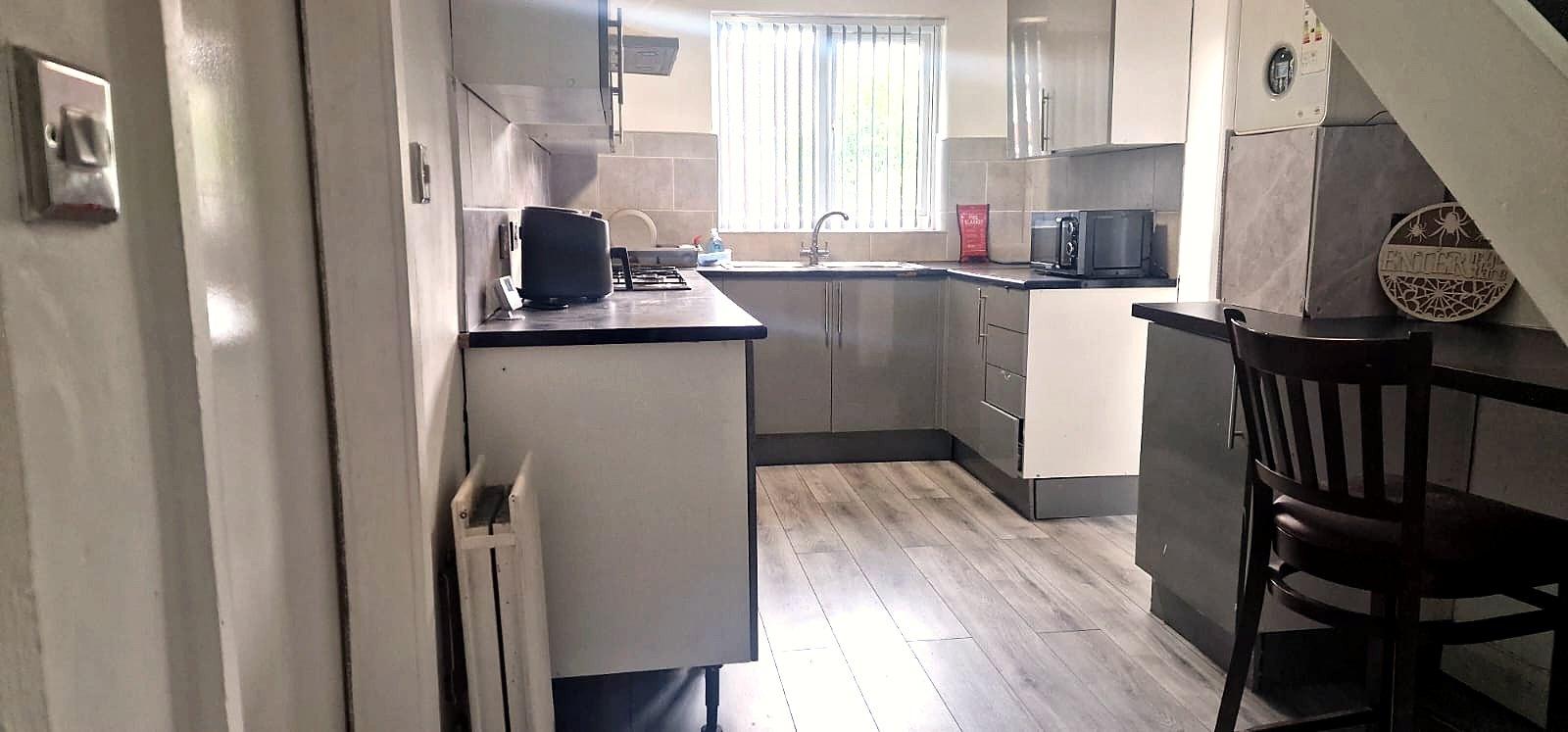
An open kitchen and dining space with grey units and wood-effect flooring

04 / 05

Physical disabilities and daily living needs

Where suitable properties and arrangements are available, we aim to consider accommodation for people who need an accessible living environment or help with aspects of daily living.

Property suitability, mobility requirements, equipment needs and any adaptations must be assessed before a placement is agreed.

  • Mobility and access assessed property by property
  • Equipment and adaptation needs identified early
  • No placement agreed until suitability is confirmed
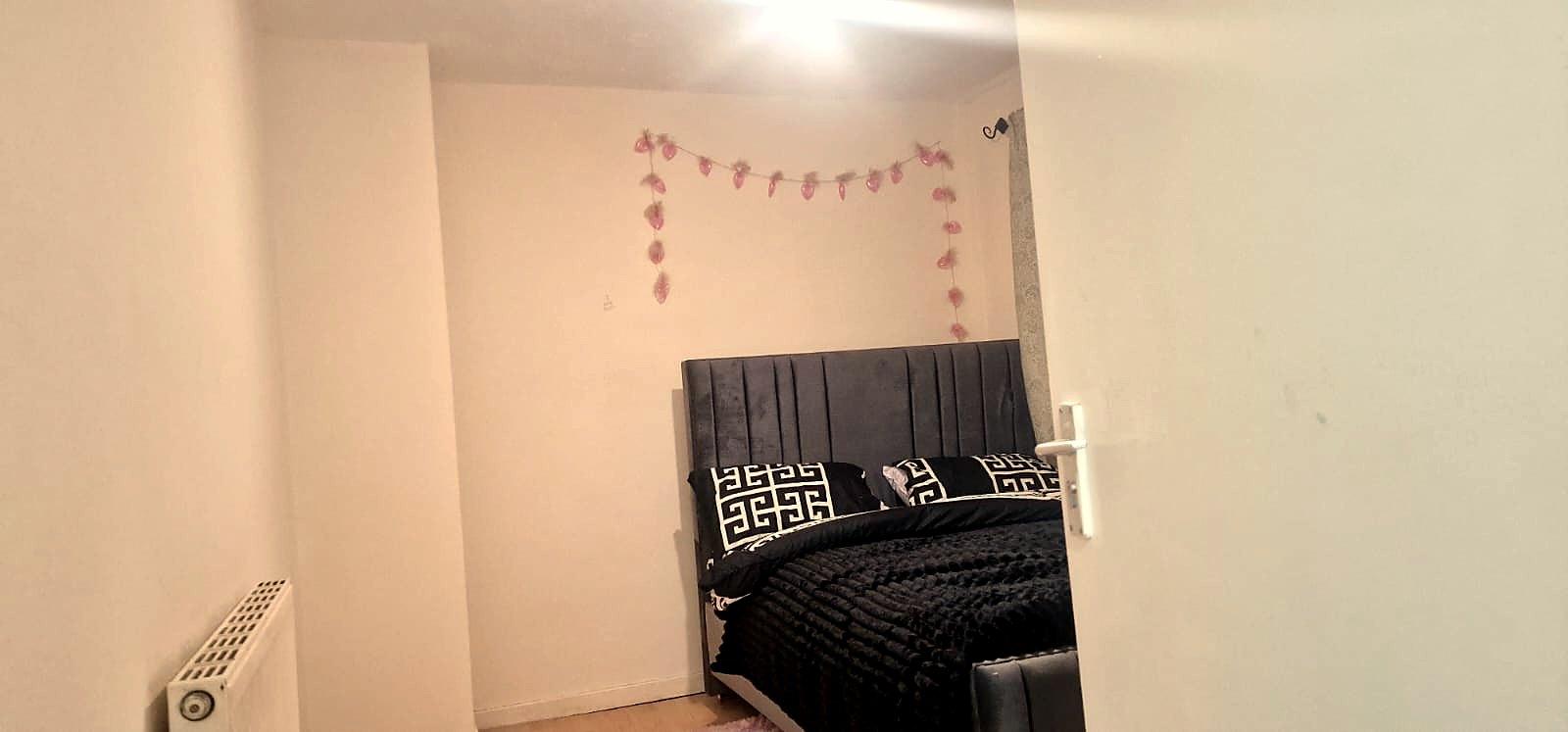
A bright bedroom with a double bed and bunting on the wall

05 / 05

Young people aged 16 and over

Subject to the appropriate commissioning arrangements, safeguarding requirements and any applicable regulatory approvals, we may consider accommodation for young people aged 16 and over who need a structured and supportive living environment.

Placements involving children or young people are subject to the relevant legal, safeguarding and registration requirements, and will only proceed where the proposed arrangement is appropriately authorised.

  • Only where legal and regulatory requirements are met
  • Safeguarding arrangements agreed in advance
  • Commissioned through the appropriate authority

Accommodation and care

Matching the home to the support.

Through our partnerships with care providers, we aim to consider accommodation alongside the person’s assessed care and support requirements.
Depending on the person’s circumstances and the provider’s registration, service arrangements and available capacity, care and support may include:

  • Personal care
  • Assistance with daily living
  • Community access
  • Support with independence skills
  • Specialist support for eligible needs

Our role

Stalwart Support Homes CIC’s role is focused on facilitating appropriate accommodation arrangements.

Regulated care

Regulated care services are provided by our partner care providers where they fall within their CQC registration and the agreed commissioning arrangements.

Separate organisations

We and each care provider remain separate legal entities, with our respective responsibilities clearly defined.

How we consider placements

Every enquiry, considered individually.

We work with the referring authority, professionals and care providers to establish whether a home is right and whether the support can be arranged safely and reliably. A placement only goes ahead once the necessary assessments, approvals and commissioning are complete.

  1. Understanding the referral

    We review the person’s accommodation preferences, assessed needs and hoped-for outcomes, alongside the information supplied by the referring professional.

  2. Assessing suitability

    We consider the property’s location, accessibility, layout, facilities and environmental risks, and whether it suits the person’s needs.

  3. Reviewing care and support

    We establish what support is required, who will provide it, whether it falls within the provider’s registration, and whether staffing and resources can meet the person’s needs.

  4. Safeguarding and risk planning

    Relevant risks are identified and measures agreed that promote safety, dignity and rights — including positive risk-taking.

  5. Considering compatibility

    Where a home is shared, we consider the preferences, needs, safety and compatibility of everyone who may be affected.

  6. Planning the transition

    We work with the person, their representatives and professionals towards a planned move with clear responsibilities and continuity of care.

  7. Reviewing outcomes

    We support communication and review arrangements that pick up changing needs, address concerns and help the person keep their home.

Working with commissioners and placement teams

What helps us respond quickly and clearly.

We welcome enquiries from local authorities, NHS and integrated care teams, social workers, housing organisations, care providers and other professionals seeking accommodation for people with assessed support needs. A first enquiry only needs general information.

  • 01

    Accommodation required

    Single or shared occupancy, number of bedrooms, and any must-haves for the home itself.

  • 02

    Preferred location

    The area the person would like to live in, and any places they need to be near — family, work, services.

  • 03

    Accessibility

    Mobility needs, level access, equipment and any adaptations that may be required.

  • 04

    Proposed support

    An outline of the care and support expected, and who is expected to provide it.

  • 05

    Timescales

    When a move is hoped for, and any dates linked to discharge, transition or tenancy ending.

  • 06

    Commissioning route

    Who is commissioning, and how funding and approvals are expected to work.

Placement enquiries

Contact us about a placement

Commissioners, social workers, NHS professionals, housing partners and care providers are welcome to get in touch for an initial discussion about the person’s general requirements.

Please don’t include sensitive personal or clinical details in a first enquiry — we’ll agree a secure route if they’re needed.

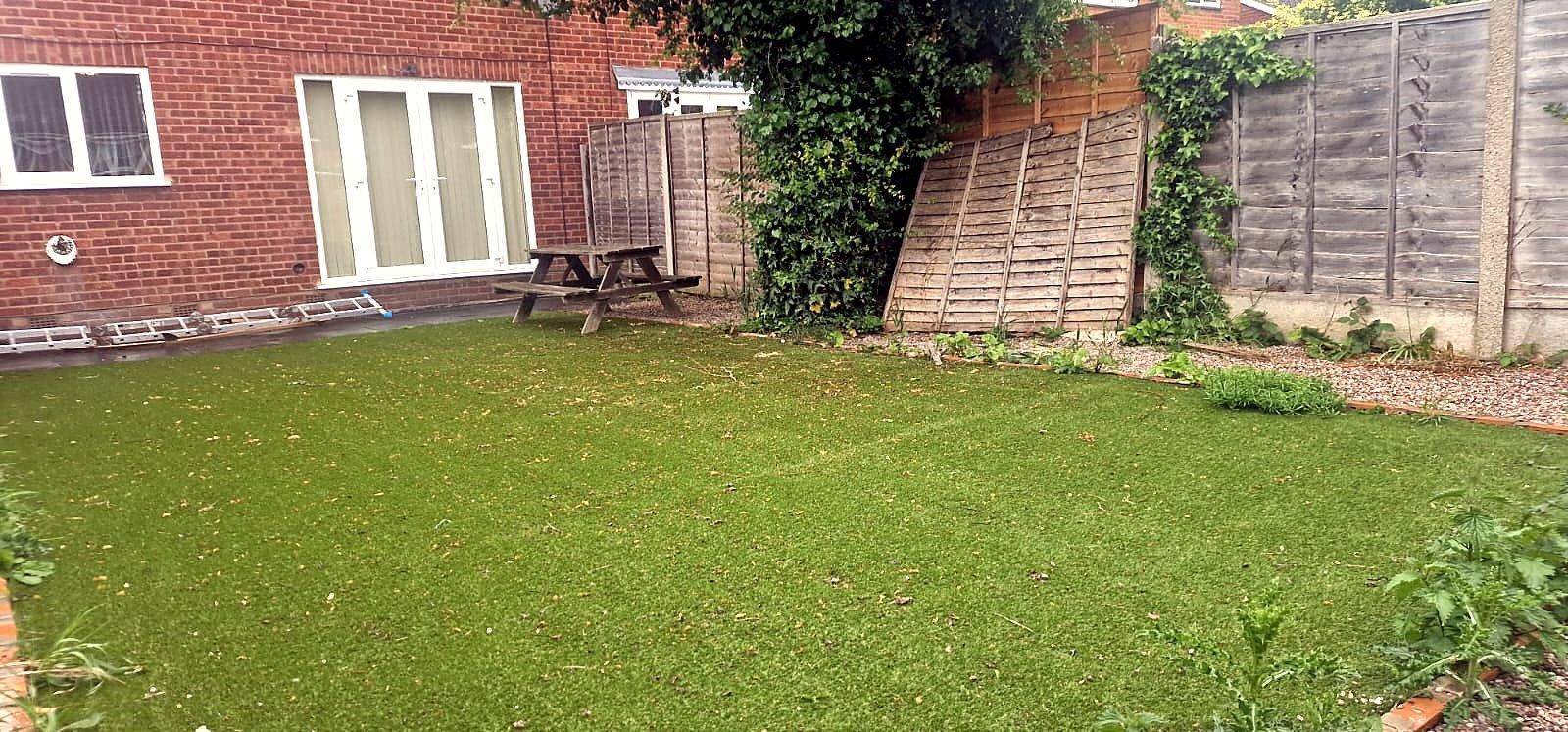
A large private lawn with planting along the fence